Coronavirus: How New Zealand relied on science and empathy
 GETTY IMAGES
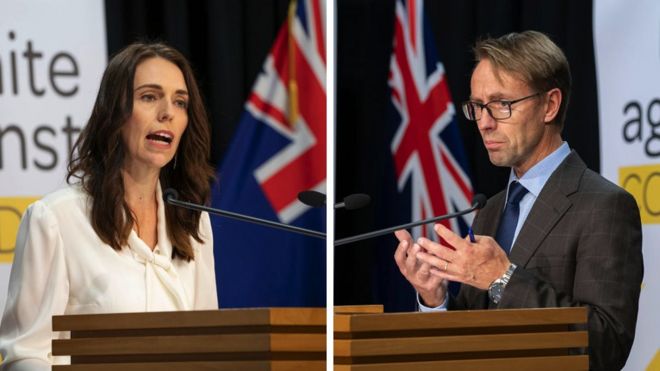
New Zealand's Prime Minister Jacinda Ardern has said her country has "done what few countries have been able to do" and contained the community spread of Covid-19 and can start easing its lockdown measures. As the BBC's Shaimaa Khalil writes, the country's success - and Ardern's leadership - have won it global attention.
On 13 March, New Zealand was about to mark the first anniversary of the Christchurch shooting with a national memorial event.
I asked Prime Minister Jacinda Ardern then if she was concerned about hosting such a large gathering, just after the World Health Organization (WHO) had declared a pandemic. She said she wasn't, based on the existing scientific advice.
Things changed overnight. Not only was the event cancelled, the prime minister announced that almost everyone coming into New Zealand would have to self-isolate for 14 days.
It was among the earliest and toughest self-isolation measures in the world, which, a week later, would lead to a complete lockdown.
"We're going hard and we're going early," Ms Ardern told the public. "We only have 102 cases, but so did Italy once."
During the next two weeks of lockdown, New Zealand saw a steady decline in the number of new cases. To date, it has had 12 deaths, and has confirmed that on average each infected person is passing the virus to fewer than one other person.

- A SIMPLE GUIDE: How do I protect myself?
- AVOIDING CONTACT: The rules on self-isolation and exercise
- VIDEO: The 20-second hand wash
- STRESS: How to look after your mental health
- VISUAL: The world in lockdown in maps and charts

Comments
Post a Comment